January 5, 2026
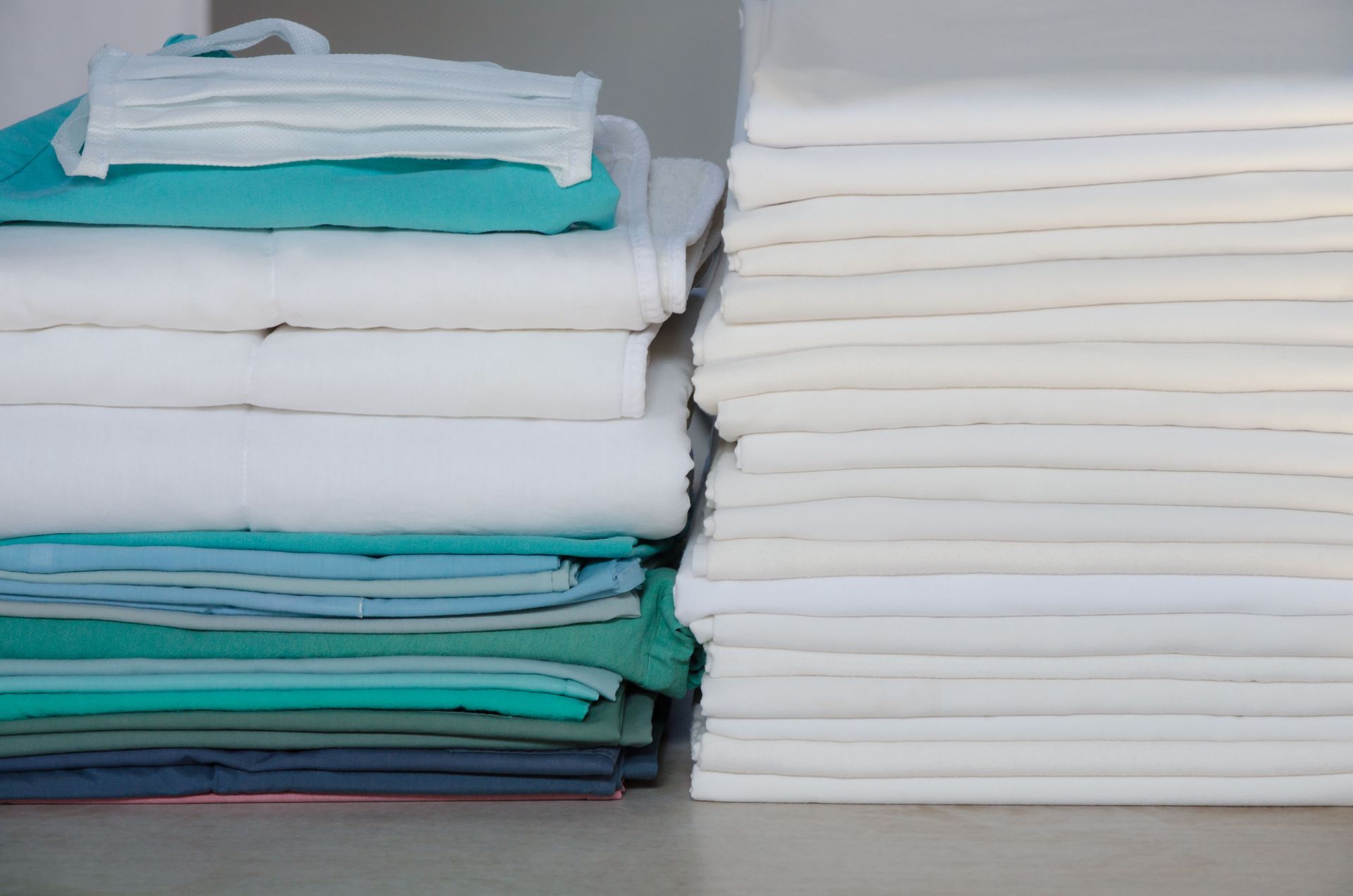
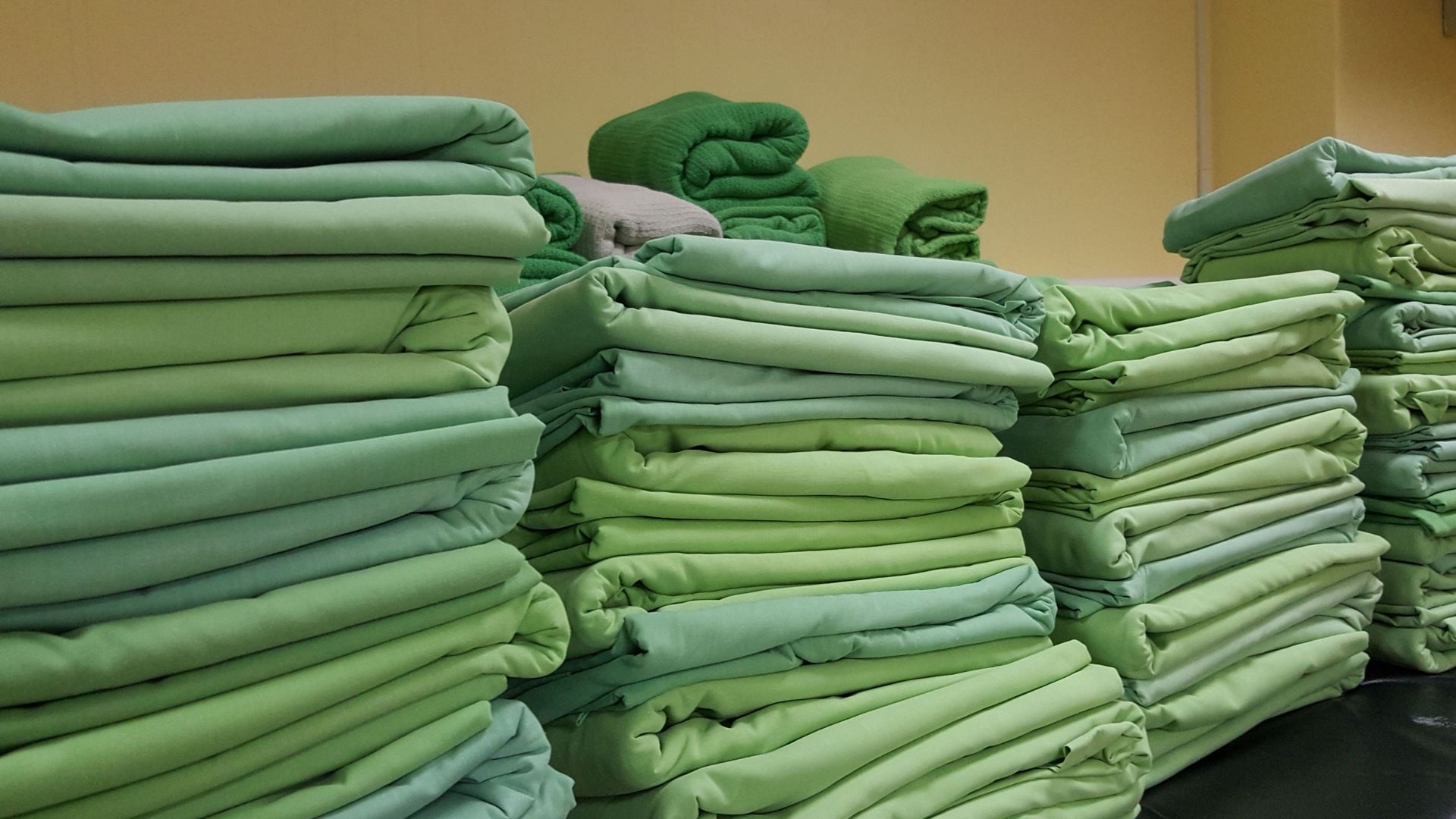
Healthcare environments depend on thousands of small, repeatable actions happening correctly every day. Among the most overlooked of these is linen processing. Sheets, gowns, towels, and blankets move constantly between patients, staff, and departments. When those items are not processed consistently, the risk does not stay confined to a laundry room. It travels directly into patient rooms, operating suites, and recovery areas. This is why a dependable medical laundry service plays such a central role in patient safety.
Clean linens are often associated with comfort, but their role goes much deeper. They function as a barrier between patients and potential contaminants. They also support infection prevention protocols, staff workflows, and regulatory compliance. When processing standards vary or shortcuts are taken, the consequences can include increased infection risk, delayed care, and breakdowns in trust. Consistency is what transforms linen processing from a background task into a reliable safeguard for patients and staff alike.
Reducing Cross-Contamination Risks Through Standardized Processes
Healthcare-associated infections remain one of the most serious challenges facing hospitals and outpatient facilities. Linens can become vectors for pathogens when handling and processing methods are inconsistent. Standardized workflows reduce the chance that contaminated textiles reenter patient care areas before they are fully cleaned and disinfected.
A consistent approach covers every step, from collection and transport to washing, drying, folding, and storage. When facilities rely on a medical laundry service that follows defined procedures, staff can predict outcomes and trust that every item meets the same hygienic standard. Variability, by contrast, introduces uncertainty. Even one missed step can compromise an entire batch of linens.
Clear separation between soiled and clean areas is another critical element. Consistent processing protocols reinforce physical and procedural barriers that prevent cross-contamination. Over time, this consistency supports a culture of safety, where staff members understand their role in protecting patients through proper linen handling.
Supporting Infection Control Goals With Reliable Laundering Factors
Effective laundering depends on more than detergent and hot water. The science behind textile hygiene requires precise control of multiple variables. According to the CDC, how well the medical laundering process works is influenced by six essential factors, including time and temperature, mechanical action, water quality such as pH and hardness, load size, the level of soiling, and the type and availability of commercial washers and dryers. These factors do not operate independently, and inconsistency in any one of them can reduce overall effectiveness.
Facilities that partner with a medical laundry service benefit from systems designed to manage these variables in a repeatable way. Commercial equipment is calibrated, monitored, and maintained to support consistent outcomes. This level of control is difficult to achieve with decentralized or ad hoc laundering practices.
When infection control teams review risk mitigation strategies, linen processing often intersects with broader goals. Reliable laundering supports isolation protocols, reduces environmental contamination, and complements surface disinfection efforts. Consistency helps align linen hygiene with the facility's overall infection prevention plan rather than leaving it as a weak link.
Maintaining Patient Confidence Through Cleanliness Consistency
Patients notice details, especially in environments where they may already feel vulnerable. Clean, fresh-smelling linens signal professionalism and care. When linen quality varies, patients may question whether other aspects of their care are being handled with the same inconsistency.
A dependable medical laundry service contributes to a predictable patient experience. Linens arrive on time, look uniform, and feel appropriate for clinical use. This consistency reassures patients that hygiene standards are taken seriously, even when they are not visible.
Trust plays a meaningful role in patient satisfaction and compliance. When patients believe their environment is safe and well managed, they are more likely to follow care instructions and engage positively with staff. Linen processing may operate behind the scenes, but its impact on perception is immediate and lasting.
Protecting Healthcare Staff With Dependable Linen Handling
Patient safety is closely tied to staff safety. Nurses, aides, and environmental services teams handle linens multiple times a day. Inconsistent processing increases the chance of exposure to contaminants during sorting, transport, or distribution.
Consistent linen workflows reduce uncertainty for staff. When a medical laundry service follows predictable schedules and standards, healthcare workers know what to expect. Clean linens are clearly identified, stored properly, and ready for use. Soiled linens are contained and removed without lingering in care areas.
This reliability reduces stress and supports efficiency. Staff members can focus on patient care instead of compensating for missing or questionable supplies. Over time, consistent linen handling contributes to a safer workplace and lowers the likelihood of occupational exposure incidents.
Strengthening Regulatory Compliance Through Repeatable Standards
Healthcare facilities operate under strict regulatory expectations related to cleanliness, infection control, and environmental safety. Linen processing is often included in inspections and audits, even if it does not receive the same attention as clinical procedures.
Working with a medical laundry service that documents and follows consistent standards helps facilities demonstrate compliance. Repeatable processes generate records, quality checks, and corrective actions that align with regulatory requirements. Inconsistent practices, on the other hand, make it difficult to prove that standards are being met consistently.
Consistency also supports internal accountability. When expectations are clear and measurable, issues can be identified and addressed before they escalate. This proactive approach reduces the risk of citations, penalties, or reputational harm tied to preventable lapses in hygiene.
Improving Operational Efficiency With Predictable Linen Quality
Operational efficiency is not only about speed or cost. It also depends on reliability. Inconsistent linen processing can disrupt patient flow, delay procedures, and strain inventory systems. Missing or unusable linens force staff to improvise, which introduces risk and inefficiency.
A reliable medical laundry service supports smoother operations by delivering consistent quality and quantities. Inventory levels become easier to manage when linen loss and rewash rates are controlled. Departments can plan with confidence, knowing that linens will meet standards without last-minute issues.
Efficiency gains also support sustainability goals. Consistent processing reduces waste, extends textile life, and minimizes unnecessary reprocessing. These benefits reinforce both financial stewardship and environmental responsibility, which are increasingly important in healthcare operations.
Reinforcing Emergency Preparedness Through Linen Reliability
Emergency situations place extraordinary pressure on healthcare systems, often requiring rapid turnover of rooms, increased patient volume, and extended staff shifts. During these moments, linen reliability becomes even more important. Consistent processing means facilities are not scrambling to locate usable linens or questioning whether supplies meet hygiene expectations. Predictable availability supports faster room resets, smoother admissions, and uninterrupted patient care during high-demand periods. When linen systems perform the same way every day, they are far more likely to hold up under stress. This kind of dependability strengthens overall readiness and helps healthcare teams respond confidently when conditions are most challenging.
Consistent linen processing is not a background detail. It is a foundational element of patient safety, infection control, staff protection, and operational reliability. From reducing cross-contamination risks to supporting regulatory compliance, dependable processes turn everyday textiles into reliable safeguards. When facilities treat linen processing as a strategic priority rather than an afterthought, they strengthen the entire care environment.
If your organization is looking to reinforce patient safety through dependable linen practices, we invite you to take the next step. Contact us at One Source Linen Supply Inc to learn how we can support your facility with consistent, high-quality linen solutions that align with your safety goals.